7 Things Every International School Parent Should Do Before Term Starts (HCMC)
The uniforms are washed and the stationery is bought. That is the easy part, and it is also the part that has almost nothing to do with how your child's year actually goes.
The things that decide the term are quieter: whether your child's English is ready for the work ahead, whether you know where they stand, and whether you catch a gap in September instead of November. Most parents skip these because nobody puts them on the supplies list.
Here are seven things worth doing in the weeks before term. None takes long. Together they are the difference between a smooth first term and a scramble.
1. Get a baseline read on your child's English
Do this first, because everything else depends on it. A short diagnostic tells you where your child's academic English actually sits, not where you assume it sits. Reading, comprehension, writing, spelling and fluency are separate skills, and a child can be strong in some and behind in others. Knowing the real picture now means you spend the term fixing the right thing. Spark's free assessment covers all five areas in one sitting.
2. Read together for 15 minutes a day, starting now
Do not wait for term to set the habit. Fifteen minutes of daily reading aloud, from a book just below your child's comfort level, rebuilds fluency that softened over the break and settles them back into the rhythm of school. Consistency wins. Ten minutes every day beats an hour on Sunday. Our reading fluency blueprint lays out a simple version.
3. Reset the sleep and screen routine a week early
A child who has been on holiday time cannot switch to school time on the first morning. Move bedtime and wake time earlier across the week before term, and pull screens back to term levels at the same time. English learning collapses under a tired, overstimulated brain, and no amount of tutoring fixes a sleep problem.
4. Set up a real place to work at home
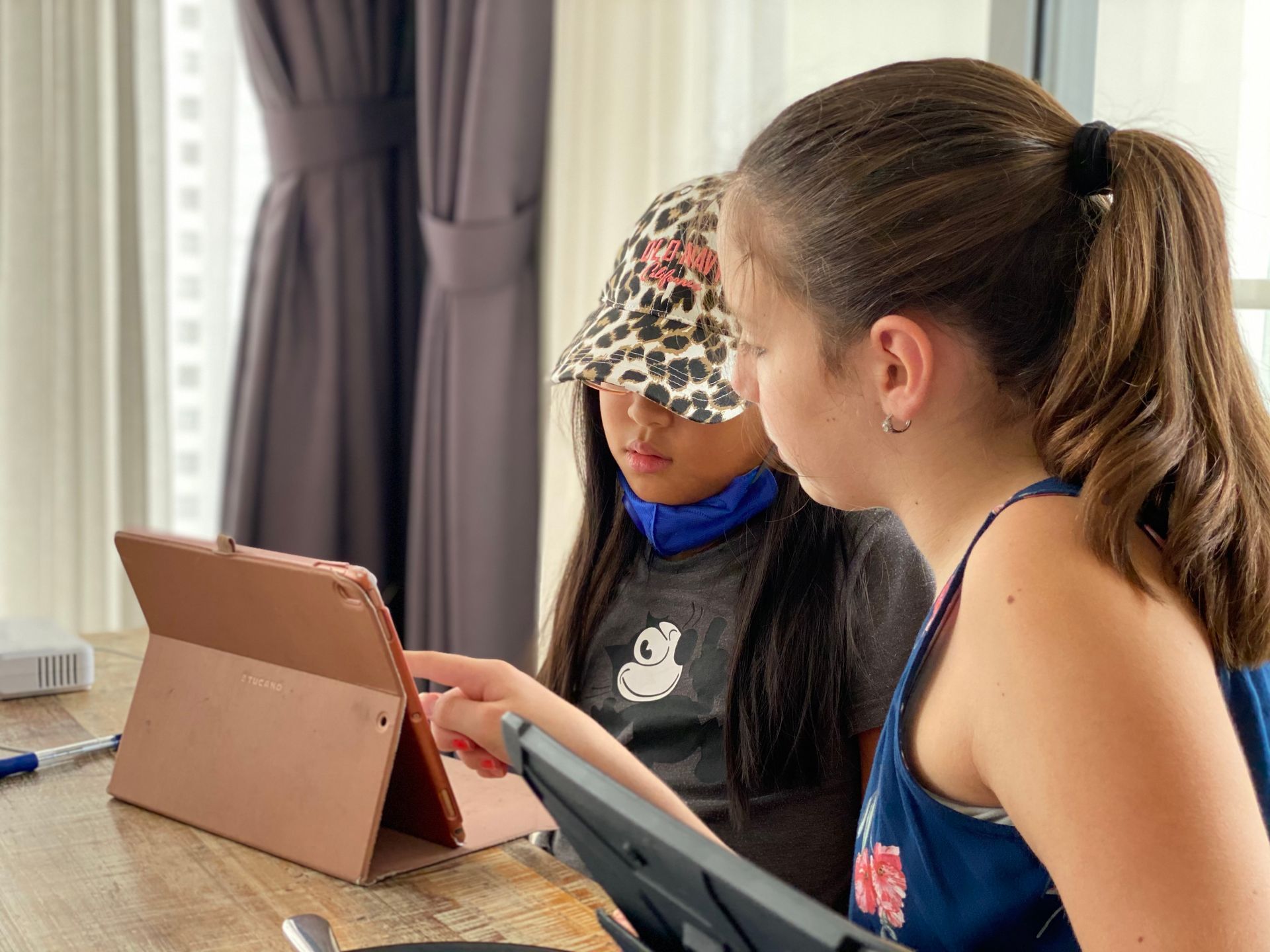
Homework done on a sofa with the TV on is homework half done. Give your child a fixed, quiet spot with good light, their books within reach and no screen in view. It sounds small. It changes how much English work actually gets absorbed each evening, especially reading and writing that need focus.
5. Prepare for the first parent meeting with specific questions
Walk into the first meeting with three questions ready: where does my child sit against your reading benchmark, what English support do you offer and how is it staffed, and how will you tell me early if my child starts to fall behind. Vague answers are useful information too. A school that cannot say where your child stands will not warn you when they slip.
6. Decide your six-week checkpoint before term buries you
Choose now how you will know if the year is working. A simple rule holds up: every six weeks, check reading fluency, look at a piece of writing and read your child's confidence. Deciding this in the calm before term means you actually do it once term is loud. Regular checkpoints turn a nagging worry into something you can see and act on.
7. Line up support before you need it, not after
If a baseline shows a gap, sort the help before the term steamrolls you. Targeted support that starts in the first weeks closes gaps far faster than help that starts after the first report card. And targeted beats generic every time: a new gap usually needs specific work, not general conversation practice. Our framework for choosing English support walks through the options, including whether you need paid help at all, and why small groups capped at six tend to move the needle fastest.
The one that matters most
If you only do one of these, do the first. Almost every scramble later in the year traces back to a parent not knowing where their child's English actually stood in September. A baseline is thirty minutes now against a lost term later.
FAQ
What should international school parents do before term starts in HCMC? Start with a baseline read on your child's English, build a daily reading routine, reset sleep and screens a week early, set up a proper work space at home, prepare specific questions for the first parent meeting, plan a six-week checkpoint and line up any support before term begins.
When should my child have an English assessment, before or after term starts? Before. A baseline in the weeks before term shows exactly where your child stands, so you can fix the right gap in September rather than discovering it on the first report card in November.
How early should we reset our child's sleep schedule for back to school? About a week before term. Shift bedtime and wake time earlier gradually across that week, and pull screens back to term levels at the same time. A tired brain absorbs far less English, and a sudden switch on day one rarely works.
What should I ask at the first parent meeting? Ask where your child sits against the school's reading benchmark, what English support the school offers and how it is staffed, and how the school will tell you early if your child starts to fall behind.
Is it worth getting extra English support before term even starts? If a baseline shows a gap, yes. Support that starts in the first weeks of term, aimed at the specific skill that is behind, closes gaps much faster than help that starts once the problem has already shown up in marks.
Book a free assessment
The most useful thing on this list takes thirty minutes and costs nothing. Get a clear read on where your child's English stands before the term decides for you.
Spark English Center Vietnam runs a free diagnostic across all five core English skills, in small groups capped at six, for international and bilingual school families in Thao Dien.
Book your free assessment: https://www.sparkvn.com/Assessment Spark English Center Vietnam | 204B7/12 Nguyen Van Huong, Thao Dien, HCMC | 0398143487 | hello@sparkvn.com