10 Signs Your Child Fell Behind in English Over Summer

August 10, 2026

Term starts in a few weeks, and you have a quiet worry you cannot quite name. Your child seems a step slower with English than they were in June. You are not imagining it.


Reading skills do not sit still over a long break. Research on summer learning loss has found that children can slip back by up to two months of reading progress across a single summer, and the effect stacks year on year for kids who do not read much during the break. You can read more on the mechanism at Reading Rockets.


ο»ΏThe good news: the slide is visible if you know where to look, and it is fixable early. Here are ten signs to watch for as your child heads back to the classroom.


1. Reading aloud got slower and choppier


In June your child read a page in a smooth, steady voice. Now the same page comes out in stops and starts, with long pauses on words they used to know. Fluency is the first thing to fade over a break, and it is the easiest to spot. Sit with them for five minutes and listen.


2. They guess words from the first letter instead of decoding


A strong phonics reader breaks an unfamiliar word into sounds and blends it. A child who has lost ground guesses. They see "beautiful" and say "because," because both start with "b." Guessing is a signal that the decoding habit has gone rusty.


3. They negotiate their way out of reading


Suddenly there is always a reason not to read. They are tired, the book is boring, they will do it later. Avoidance is rarely about the book. It is usually a child protecting themselves from a task that has quietly become harder than it was.


4. Spelling that was solid in June is wrong in September


Words your child spelled correctly before the break now come back scrambled. Spelling sits on top of phonics and memory, and both soften without use. A short spelling check on familiar words tells you a lot in two minutes.


5. Their writing got shorter and simpler


Compare a piece of writing from the end of last term with anything they write now. If the sentences are shorter, the vocabulary is plainer and the ideas are thinner, the writing muscle has weakened. Output shrinks before parents notice reading has slipped.


6. They reach for Vietnamese, Korean or Japanese mid-sentence


A little language mixing is normal in a bilingual home. A jump in it is not. When your child keeps switching out of English to finish a thought, it often means their English recall is lagging behind what they want to say.


7. They cannot retell what they just read


Ask them to tell you what happened on the page they finished. If they can decode the words but cannot say what the passage meant, comprehension has dropped. This is the sign parents miss most, because the reading sounds fine on the surface.


8. Instructions that used to be easy now confuse them


Multi-step instructions ("underline the verb, then write your own sentence") land harder than they should. When a child has to reread a simple instruction two or three times, their processing of academic English has slowed.


9. Homework takes twice as long


A worksheet that took twenty minutes in June now eats an hour, with a lot of sighing in between. Time is a blunt but honest measure. If everything English takes noticeably longer, something underneath has gotten harder.


10. They speak up less and second-guess themselves


Confidence is the quiet casualty of summer slide. A child who senses they have fallen behind stops volunteering answers, lowers their voice and checks your face before finishing a sentence. The skill gap and the confidence gap feed each other, which is why waiting rarely helps.


What to do before the gap reaches the report card


One sign on its own might be a slow week. Three or more together, in the first fortnight back, is worth acting on now rather than in November when the first assessments come home.


The trap is guessing. Most parents respond by adding generic tutoring or more screen-based practice, without knowing which of the five core areas (decoding, fluency, comprehension, writing and spelling) actually slipped. That is like treating a fever without taking a temperature.


A proper diagnostic looks at each skill separately and tells you exactly where your child is, not where you fear they might be. At Spark, our free assessment checks all five areas and shows you the specific gap, so any support that follows is aimed at the real problem and not a guess. Small groups capped at six mean the fix stays targeted once it starts. See how class size shapes results, or read our reading fluency blueprint for the recovery path.


FAQ


How do I know if my child fell behind in English over summer? Look for slower, choppier reading aloud, guessing words instead of decoding, shorter writing, weaker spelling and trouble retelling what they read. Three or more of these signs in the first two weeks of term usually means real ground was lost.


Is summer learning loss in English actually real? Yes. Research on summer learning loss shows children can slip back by up to two months of reading progress over one summer, especially when they do little reading during the break. The effect compounds year after year if it is not addressed.


How much English does a child lose over the summer holiday? Studies point to roughly two months of reading skill for many children, with fluency and spelling fading fastest. The exact loss depends on how much your child read and spoke English during the break.


What should I do first if I think my child fell behind? Get a diagnostic before adding any tutoring. A skill-by-skill assessment tells you which specific areas slipped so support targets the real gap instead of guessing. Spark offers a free assessment covering all five core skills.


Can a child catch up quickly once term starts? Early gaps close much faster than late ones. Acting in the first weeks of term, with targeted support rather than general practice, is far more effective than waiting for the first report card to confirm the problem.


Book a free assessment


If your child is showing these signs, do not wait for the first report card to tell you what you already suspect. A short, structured check now saves a hard term later.


Spark English Center Vietnam runs a free diagnostic across all five core English skills, in small groups capped at six, for international and bilingual school families in Thao Dien.


Book your free assessment: https://www.sparkvn.com/Assessment Spark English Center Vietnam | 204B7/12 Nguyen Van Huong, Thao Dien, HCMC | 0398143487 | hello@sparkvn.com
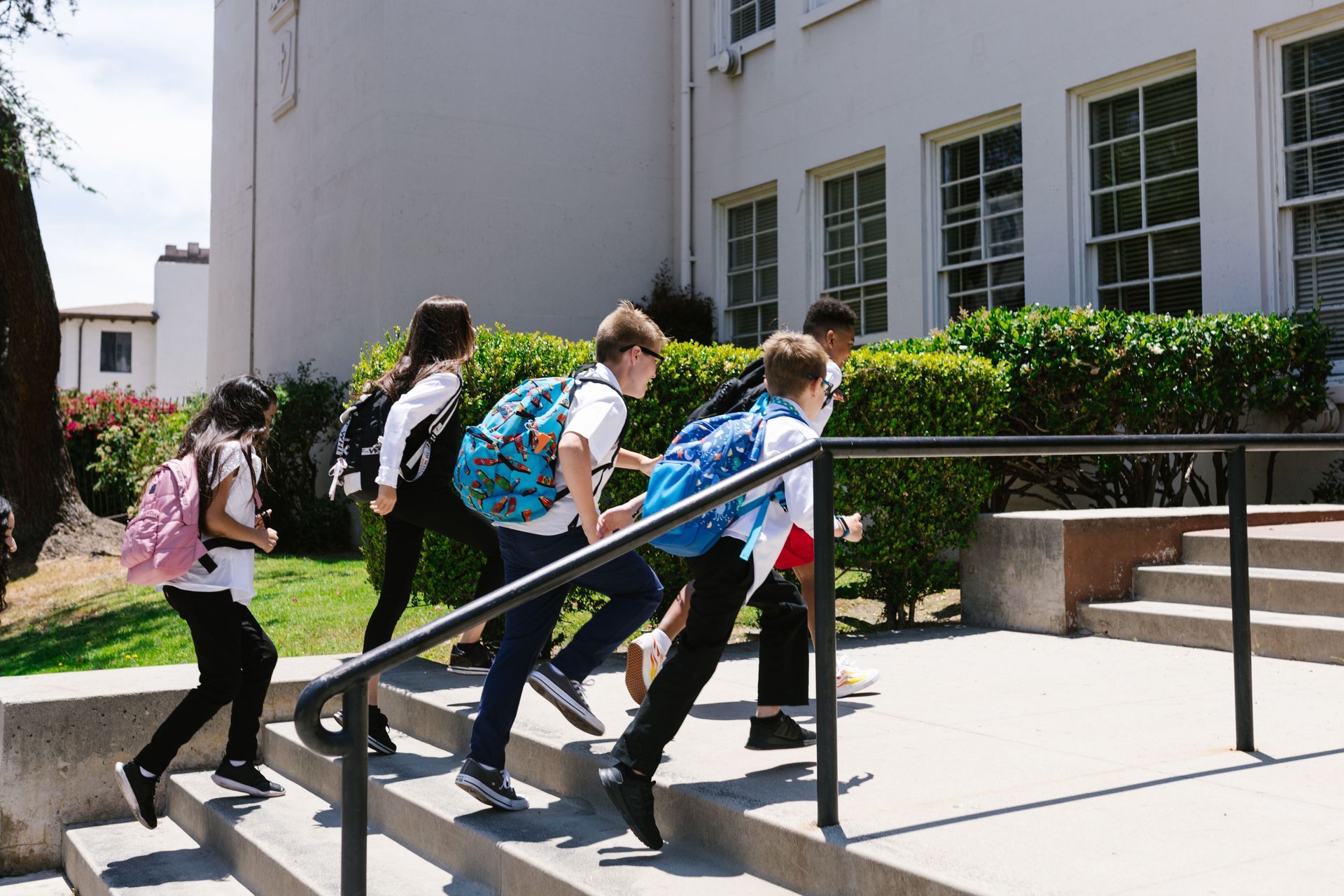

Cgildren going back to school after summer
August 25, 2026
Some reading problems hide in plain sight until the marks drop. Here are 8 back-to-school reading red flags HCMC parents miss, and what each one means.
August 12, 2026
A back-to-school checklist for international school parents in HCMC. Seven practical steps to set your child's English up for the term before day one.
Student reviewing grade-level English readiness before term starts in HCMC
August 7, 2026
A back-to-school English readiness check for HCMC parents. Grade-by-grade reading and writing benchmarks, a quick self-diagnostic, and what to do next.
thao dien
August 6, 2026
Just moved to HCMC with kids and term is weeks away? Here are 9 practical steps to get your child's English on track before the first assessments hit.
By Spark ALC July 20, 2026
The FIFA World Cup 2026 is over. Discover the lessons about discipline, perseverance, and growth mindset that children can learn.
July 1, 2026
Stuck in IELTS self-study? Learn why not understanding band descriptors and feedback holds students back in HCMC.
June 29, 2026
Is your child studying IELTS but not improving? Learn why lack of structure and patience holds students back in HCMC.
June 22, 2026
Discover proven strategies to reach Band 7.5+ in IELTS Writing with real examples, expert tips, and actionable techniques.
June 18, 2026
Discover how Spark English Center Vietnam is supporting Laws for Paws Vietnam and how local families can help rescue dogs find safety, care, and a brighter future.
By Ms. Emma June 17, 2026
Ms. Emma explains what summer learning loss is, why it happens, and how parents can help children maintain reading, writing, and academic skills throughout the summer.
By Mr. Joe June 16, 2026
Mr. Joe explains the differences between IELTS preparation, Bridges foundation courses, and Cambridge English programs, helping parents choose the right pathway for long-term English success.
June 15, 2026
Discover what most English centers in HCMC don’t teach—and why it affects your child’s success in international school.
By Ms. Anna June 13, 2026
Ms. Anna shares the daily habits that help students become successful readers and explains why consistency, practice, and positive reading routines often matter more than natural ability.
By Ms. Emma June 13, 2026
Ms. Emma explores why reading development looks different for every child and explains the factors that influence literacy growth, including confidence, instruction, vocabulary, practice, and individual learning differences.
By Mr. Joe June 13, 2026
Mr. Joe explores how academic confidence develops through small successes, why confidence is closely connected to achievement, and how students build momentum over time.
By Mrs. Kathryn June 13, 2026
Mrs. Kathryn shares the most common writing challenges students face, including sentence construction, organization, vocabulary, grammar, and written communication skills.
By Ms. Anna June 13, 2026
Ms. Anna explains why some students can read words accurately but still struggle with comprehension, and explores the skills that support deeper understanding.
By Mr. Joe June 13, 2026
Mr. Joe explains why writing samples are one of the most valuable assessment tools and what they reveal about vocabulary, comprehension, organization, critical thinking, and academic development.
By Ms. Emma June 13, 2026
Ms. Emma reflects on the powerful moment when reading becomes natural, enjoyable, and independent, and why that confidence shift changes everything for young learners.
By Mrs. Kathryn June 13, 2026
Mrs. Kathryn explains why many children guess words when reading and how phonics instruction helps build accurate, confident readers.
June 12, 2026
Discover why reading, homework, and regular English practice outside class can help students build confidence, strengthen skills, and make steady progress.
June 11, 2026
Start IELTS the right way in HCMC. Spark’s introductory IELTS course builds strong foundations in reading, writing, speaking, and listening.
park English Center, English language learning, English education, student success, young learner
June 10, 2026
Discover the difference between being busy and truly learning. Learn how parents can help children develop deeper understanding, confidence, and lifelong learning habits.
June 9, 2026
Try this simple 60-second speaking exercise to improve pronunciation, articulation, and confidence. A fun communication tip from Spark English.
June 8, 2026
Discover why traditional English learning methods often fail students and how creative, student-centered approaches help children thrive in phonics, writing, and ESL learning.
June 7, 2026
Learn how small learning successes build lasting confidence in children. Discover how positive experiences help students grow in reading, writing, phonics, and English at Spark.
June 3, 2026
Discover why traditional learning methods may be holding your child back and how creative, student-centered education can build confidence and success.
June 3, 2026
Students who stop developing their English skills don’t stay at the same level—they fall behind. Discover why continuous growth in phonics, reading, writing, and communication matters for long-term academic success and confidence.

June 1, 2026
Is your child guessing words instead of reading? Discover the hidden reading issue affecting international school students in HCMC.
May 25, 2026
Everything parents need to know before moving to HCMC with children, from schools and English support to daily life and adjustment.
Children speaking
May 24, 2026
Worried about your child’s pronunciation? Learn how to correct it early before habits become permanent in HCMC.
May 22, 2026
Is Your Child’s Learning Trapped Inside a Box? Why Modern Students Need More Than Traditional English Classes in HCMC (Saigon) At Spark English Center Vietnam , we ask an important question: Why do so many students learn English the exact same way year after year… even when it clearly is not working? Why do so many programs still rely on: memorization without communication? worksheets without confidence? reading without comprehension? grammar without real-world use? For many children, learning becomes trapped inside a “box.” A system where: students copy teachers lecture mistakes feel dangerous creativity disappears and English becomes something to survive instead of enjoy But children today need something different. The world has changed. And education must change with it. The Problem With Traditional English Learning Many students are still taught as if success only comes from: repeating information memorizing vocabulary lists completing exercises mechanically following one “correct” pathway But language learning does not work the same way for every child. Some students learn best through: movement reading speaking writing games and interaction sound and rhythm Yet many classrooms still try to fit every learner into the same educational model. And when students struggle? They often start believing: πŸ‘‰ “I’m bad at English.” When really… πŸ‘‰ they may simply need a different approach. What “Out-of-the-Box” Learning Actually Looks Like At Spark, we believe strong education starts by asking: πŸ‘‰ “What helps students learn best NOW?” Not: πŸ‘‰ “How have we always taught this?” That shift changes everything. Reading Should Build Confidence—Not Stress Many children struggle because they are asked to read before they fully understand how English sounds work. At Spark, phonics and structured literacy help students: decode words confidently stop guessing while reading build fluency step by step This is especially important for students in international school English Vietnam , where reading demands increase quickly after lower primary years. Writing Should Feel Structured, Not Overwhelming Some students freeze the moment they see a writing task. Not because they lack ideas. But because the process feels too large. Spark helps students by: breaking writing into manageable steps teaching sentence and paragraph structure clearly reducing fear around mistakes When students understand the structure behind writing, confidence improves naturally. ESL Learning Should Prioritize Communication Many ESL learners spend years studying English… Yet still hesitate to speak. Why? Because they were trained to avoid mistakes instead of communicate. At Spark, students are encouraged to: participate actively speak before perfection build confidence through guided practice Because communication—not memorization—is the real goal. One Tool Can Teach Multiple Skills Effective education is not always about expensive technology. Sometimes it is about using familiar tools differently. A simple storybook can become: phonics practice pronunciation training vocabulary development speaking discussion writing inspiration Instead of separating every skill, Spark integrates them naturally. That creates deeper learning. Why Flexibility Matters in Modern Education Strong education should: adapt to students encourage curiosity connect learning to real life develop independent thinking Because children are not machines. They are learners with different strengths, personalities, and needs. A Question for Parents Think about your child’s current learning experience. Does it feel like: repetition without progress? homework without confidence? studying without real communication? If so, the issue may not be effort. πŸ‘‰ It may be the system itself. The Spark Philosophy At Spark English Center Vietnam , learning is designed around how children actually develop language. Spark acts as: a structured support system a bridge to international school expectations a guide for long-term English development Through: phonics + structured literacy ESL support for international school students academic English pathways from foundation to IELTS small classes (maximum 6 students) Spark provides a premium English learning experience for families across HCMC (Saigon). Spark teaches the way native English-speaking parents teach their own children: πŸ‘‰ through structure, communication, confidence, and meaningful interaction. Why This Matters for the Future The future will not reward students who only memorize information. It will reward students who can: communicate clearly think independently understand complex ideas adapt confidently That is why strong English foundations matter so deeply. Not just for school. But for life. FAQs Why do some children study English for years but still struggle? Because many programs focus heavily on memorization instead of communication, structured literacy, and confidence-building. What does “thinking outside the learning box” mean? It means adapting teaching methods to how children actually learn instead of forcing every student into the same rigid system. Can phonics really improve confidence? Yes. When children understand how English works, reading becomes less stressful and confidence grows naturally. Why do some students avoid speaking English? Often because they fear making mistakes or were not given enough structured speaking opportunities. What makes Spark different from traditional English centers? Spark combines phonics, structured literacy, ESL support, and academic English development in small-group classes aligned with international school expectations. Are games and interactive learning actually effective? Yes—when used purposefully. Interactive learning helps students engage emotionally and retain language more effectively. Is this approach suitable for international school students? Absolutely. Spark is designed specifically to support students preparing for or studying in IB, British, and American curriculum environments. Final Thought πŸ‘‰ Education should not force every child into the same box πŸ‘‰ It should help each child discover how they learn best If your child feels frustrated, disconnected, or stuck in English learning, the best step is to understand what they truly need. At Spark English Center Vietnam , the free assessment evaluates: reading and phonics foundations speaking confidence writing ability academic English readiness This helps parents clearly understand: πŸ‘‰ what is holding their child back πŸ‘‰ and how to support real progress πŸ‘‰ Book your free assessment here: https://www.sparkvn.com/Assessment Serving international school families in HCMC (Saigon), Spark English Center Vietnam provides structured, premium English support that helps students move beyond memorization and develop real confidence, communication, and academic success.
May 21, 2026
Discover how small learning successes help children build lasting confidence in English learning in HCMC.
May 21, 2026
Compare the 5 best English centers in HCMC for international school students. Honest review of methods, class sizes, results. Why specialized literacy centers beat general English programs.
May 20, 2026
English skills can decline quickly without practice. Learn why consistent learning matters for students in HCMC.
May 20, 2026
Comprehensive guide to the 10 best international schools in Ho Chi Minh City for 2026. Compare curricula, fees, locations, and English requirements. Plus expert tips on supporting your child's success.
May 19, 2026
Discover the psychology behind strong readers, confident writers, and motivated English learners in HCMC.
May 19, 2026
Complete guide to international school success in Ho Chi Minh City. Why students struggle, what works, and how to get results fast. Expert support at Spark English Center Vietnam, Thao Dien.
May 18, 2026
Why do some ESL students stay quiet? Learn how Spark helps children in HCMC build real speaking confidence.
May 18, 2026
Complete reading fluency blueprint for HCMC families. Assessment, intervention, measurable results. Spark English Center Vietnam helps international school students become confident readers fast.
May 18, 2026
Complete guide to the 8 best bilingual schools in Ho Chi Minh City. Compare Vinschool, EMASI, BVIS, Wellspring, and more. Plus how to support bilingual learners' English skills.
May 17, 2026
Does your child forget English quickly? Learn why it happens and how to build lasting English skills in HCMC.
May 17, 2026
Discover the real reasons international school students in HCMC struggle with English. Plus proven solutions from Spark English Center Vietnam, Thao Dien. Get results fast.
May 16, 2026
How to choose an English center or tutor for your international school child in HCMC. Honest evaluation framework, questions to ask, red flags to avoid.
May 16, 2026
Confused about blending and segmenting? Learn the 2 key reading skills every child needs in HCMC.
May 15, 2026
Are sight words enough? Learn why children still struggle with reading—and what actually works in HCMC.
May 15, 2026
Essential guide for families moving to Vietnam with kids in 2026. Schools, healthcare, neighborhoods, English support, and survival tips for HCMC. Everything you need to know before relocating.
May 14, 2026
Compare the 5 best phonics-based English centers in Ho Chi Minh City. Why systematic phonics instruction matters and where to find quality programs in HCMC. Honest review for parents.
May 14, 2026
Specialist English tuition and academic support for international and bilingual school students in Thao Dien, HCMC. Small classes of six. CEFR-aligned, Phonics to IELTS.
May 14, 2026
Which reading method works best? Compare phonics vs whole language and what helps children succeed in HCMC schools.
More Posts